
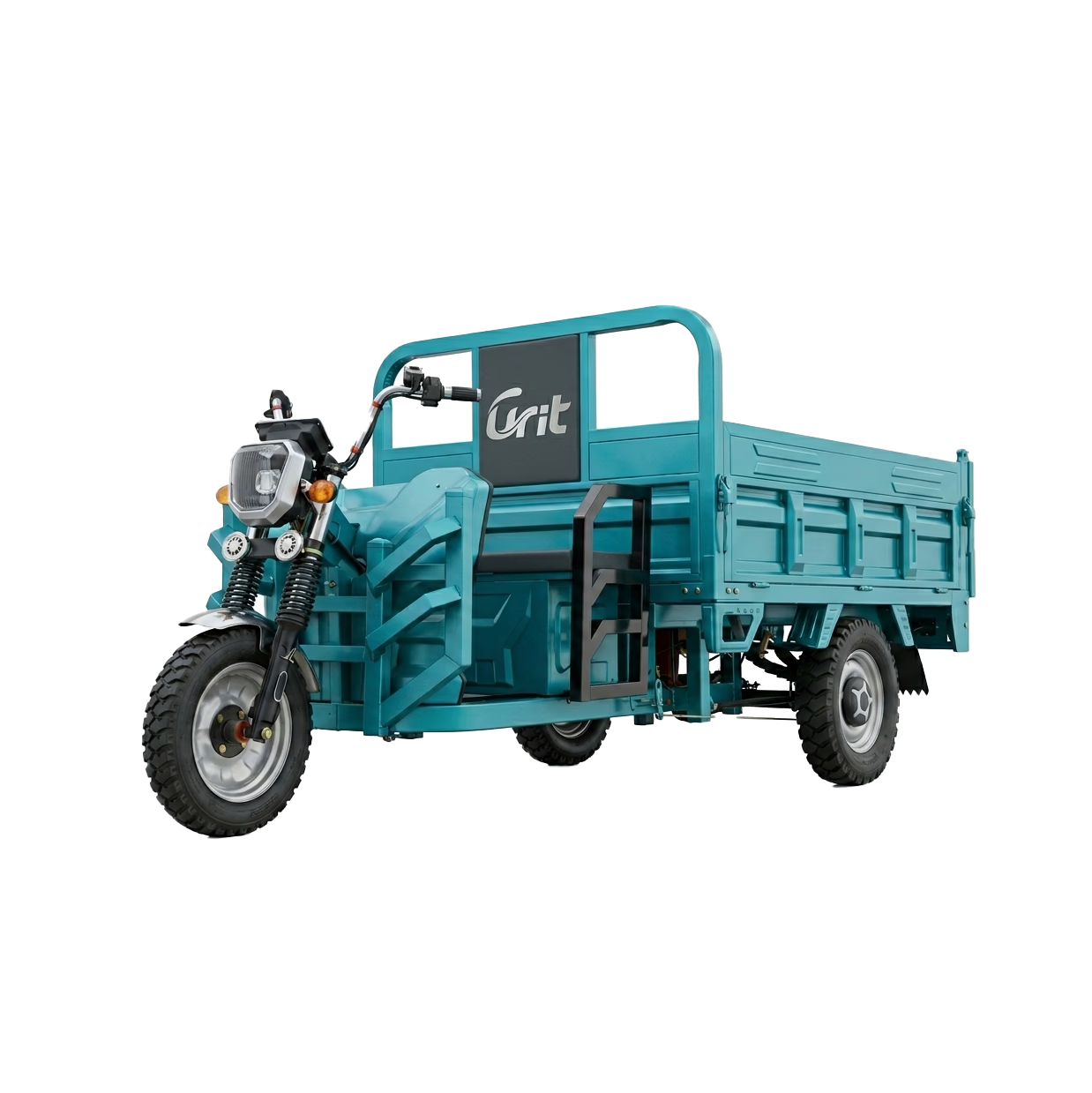
What Makes the Best Electric Cargo Tricycle?
Choosing the right electric cargo tricycle requires careful consideration of several key factors. Urban delivery businesses need vehicles that balance power, range, and practicality. The G011 stands out as a strong candidate in this competitive space.
A quality cargo e-trike must offer stability first. The three-wheel design provides excellent balance during stops, starts, and turns. This matters greatly when carrying heavy packages through busy city streets. Riders also need good visibility and comfortable handling. Electric Scooter Review:
Additionally, the cargo area should be spacious yet compact enough for tight urban spaces. Last-mile delivery drivers cannot afford vehicles that waste time searching for parking. Furthermore, easy charging and low maintenance keep operational costs down significantly.
The best models also comply with local electric vehicle regulations. The G011 meets these standards while delivering reliable performance day after day. Therefore, it represents a smart investment for small business owners. Electric Cargo Tricycle:
Top Electric Cargo Tricycles for Urban Delivery
Several models compete for attention in the urban mobility vehicle market today. The G011 leads the pack with its combination of affordability and capability. Nevertheless, other options exist for different budget levels and delivery needs.
| Feature | G011 | Competitor A | Competitor B |
|---|---|---|---|
| Motor Power | 800W | 600W | 750W |
| Battery Range | 60 miles | 45 miles | 55 miles |
| Cargo Capacity | 330 lbs | 250 lbs | 280 lbs |
| Top Speed | 25 mph | 20 mph | 22 mph |
| Price Range | $2,200-$2,800 | $1,800-$2,200 | $2,000-$2,500 |
As you can see, the G011 offers superior motor power and greater cargo capacity compared to rival models. This makes it especially attractive for food delivery services that handle multiple orders simultaneously.
Moreover, the extended battery range means fewer charging interruptions during busy delivery routes. Consequently, drivers spend more time earning and less time waiting at charging stations.
For businesses looking for detailed Electric Cargo Tricycle: Maintenance, understanding long-term upkeep is equally important. Regular service keeps your investment running smoothly for years.
Performance & Range: What to Expect
Real-world performance varies depending on terrain, rider weight, and cargo load. However, most riders report strong acceleration from a standstill with the G011. The 800W motor delivers torque when navigating hills or starting from traffic lights.
Range expectations also depend on driving habits. City stop-and-go traffic typically conserves battery compared to steady highway speeds. Riders who plan routes efficiently often exceed the rated 60-mile range on a single charge.
Furthermore, regenerative braking features help recover energy during descents and stops. This technology extends overall range and reduces wear on brake components. Additionally, removable batteries allow riders to swap and recharge without returning to the garage.
The charging process takes approximately six to eight hours for a full cycle. Therefore, overnight charging suits most delivery schedules perfectly. Morning riders start each day with a complete battery ready for action.
Maintenance Costs & Longevity
One major advantage of choosing an electric delivery tricycle over a gasoline-powered vehicle is reduced maintenance expense. Electric motors have far fewer moving parts than internal combustion engines. This simplicity translates directly into lower repair bills over time.
Tire replacements remain the most common maintenance task. Quality pneumatic tires on the G011 typically last between 3,000 and 5,000 miles. Brake pads may need replacement every 6,000 to 8,000 miles depending on riding conditions.
Battery lifespan represents another important consideration. Most modern lithium-ion batteries last between three and five years with proper care. Proper charging habits — avoiding complete depletion and extreme temperatures — maximize battery longevity significantly.
Compared to what riders might spend on fuel and engine service for a traditional delivery vehicle, the total cost of ownership favors electric options substantially. For insights on related vehicles, check our Electric Scooter Review: Durability & Comfort for additional perspective on urban transportation.
Price Comparison: Value for Money
Initial purchase price represents only one component of total vehicle cost. However, it remains an important factor for small business owners managing tight budgets. The G011 sits in a competitive mid-range price tier.
Entry-level delivery tricycles start around $1,500 but often sacrifice range and cargo capacity. Premium models exceed $4,000 while adding features many riders never actually need. The G011 occupies the sweet spot between these extremes.
| Category | Budget Models | G011 Mid-Range | Premium Options |
|---|---|---|---|
| Starting Price | $1,500-$1,800 | $2,200-$2,800 | $3,500-$5,000 |
| Battery Range | 30-40 miles | 60 miles | 60-80 miles |
| Build Quality | Basic | Strong | Premium |
| Warranty | 1 year | 2 years | 2-3 years |
When calculating value, consider that a cheaper model requiring frequent repairs delivers less practical value than a dependable mid-range option. The G011 provides durability that justifies its moderate price point.
Additionally, many cities offer tax incentives or rebates for commercial electric vehicle purchases. These programs further improve the financial case for switching from gas-powered delivery methods.
Final Verdict: Which One Should You Choose?
Selecting the ideal delivery tricycle depends on your specific operational requirements and budget constraints. However, for most urban delivery businesses, the G011 emerges as a compelling choice. It combines adequate range, solid cargo capacity, and reasonable pricing into one practical package.
Food delivery riders benefit particularly from the stable three-wheel platform and quick acceleration. Small logistics companies appreciate the load capacity and easy charging capability. Both groups save money while reducing their environmental footprint.
Nevertheless, buyers should test ride any vehicle before committing. Personal comfort and fit significantly affect daily usability. A perfectly specified vehicle that feels awkward to ride will not serve its operator well over time.
Overall, investing in a quality electric cargo tricycle like the G011 positions businesses for sustainable growth. Rising fuel costs and increasing environmental regulations make the transition to electric increasingly sensible. The smart delivery operator embraces this change early.
Frequently Asked Questions
How far can an electric cargo tricycle travel on a single charge?
Most quality models like the G011 achieve between 45 and 60 miles on a full charge under normal city conditions. Heavier loads and hilly terrain reduce range somewhat, while gentle flat routes may extend it further. Plan accordingly based on your typical delivery routes.
What is the maximum weight capacity for an electric cargo tricycle?
Standard urban delivery tricycles typically support between 250 and 350 pounds of cargo weight. The G011 accommodates up to 330 pounds, making it suitable for bulk deliveries and commercial use. Always distribute weight evenly within the cargo area for optimal handling and safety.
Are electric cargo tricycles legal for road use?
Most jurisdictions classify low-speed electric trikes similarly to electric bicycles or mopeds. The G011 complies with standard electric vehicle regulations in many regions. However, riders should verify local laws regarding licensing, helmet requirements, and permitted road types before purchasing and operating.
The right electric cargo tricycle can transform your delivery operation for the better. By balancing performance, cost, and reliability, the G011 offers a practical solution for modern urban logistics. Whether you run a food delivery service or manage a small shipping business, investing in the right vehicle pays dividends over time.