

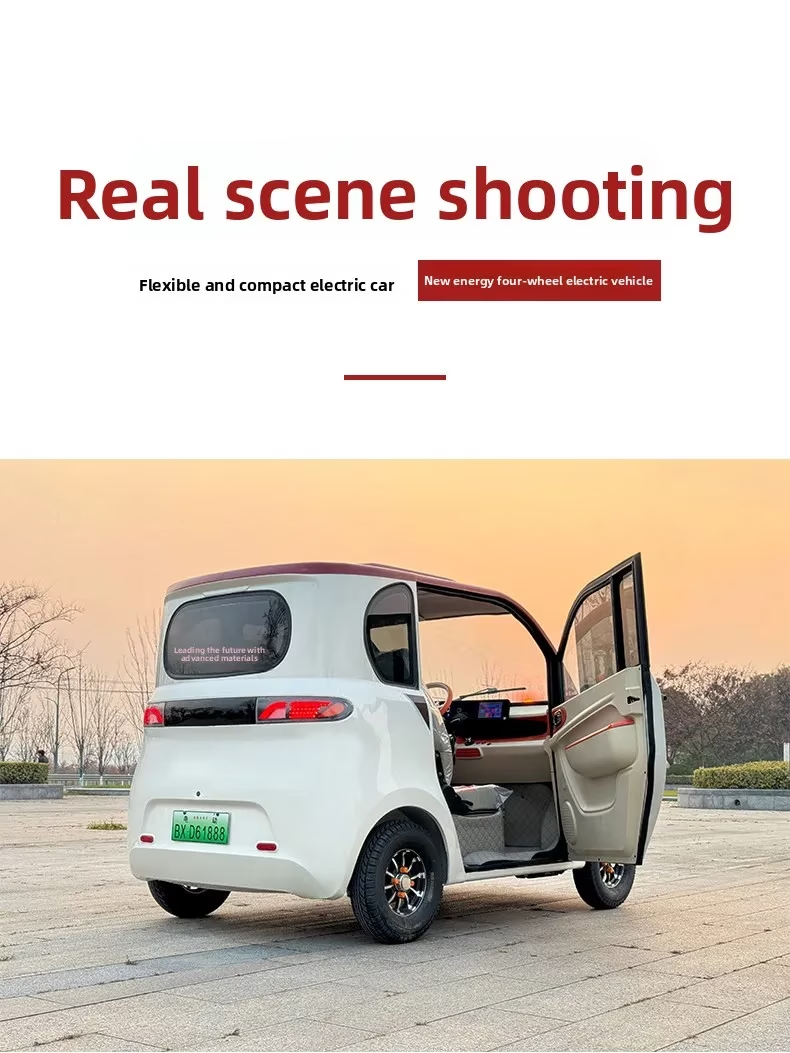
Description
Air conditioning is the feature that turns an enclosed low-speed EV from a fair-weather vehicle into a year-round one. It is also the feature most likely to disappoint a buyer, because a compressor draws power continuously and the range figure was measured without it.
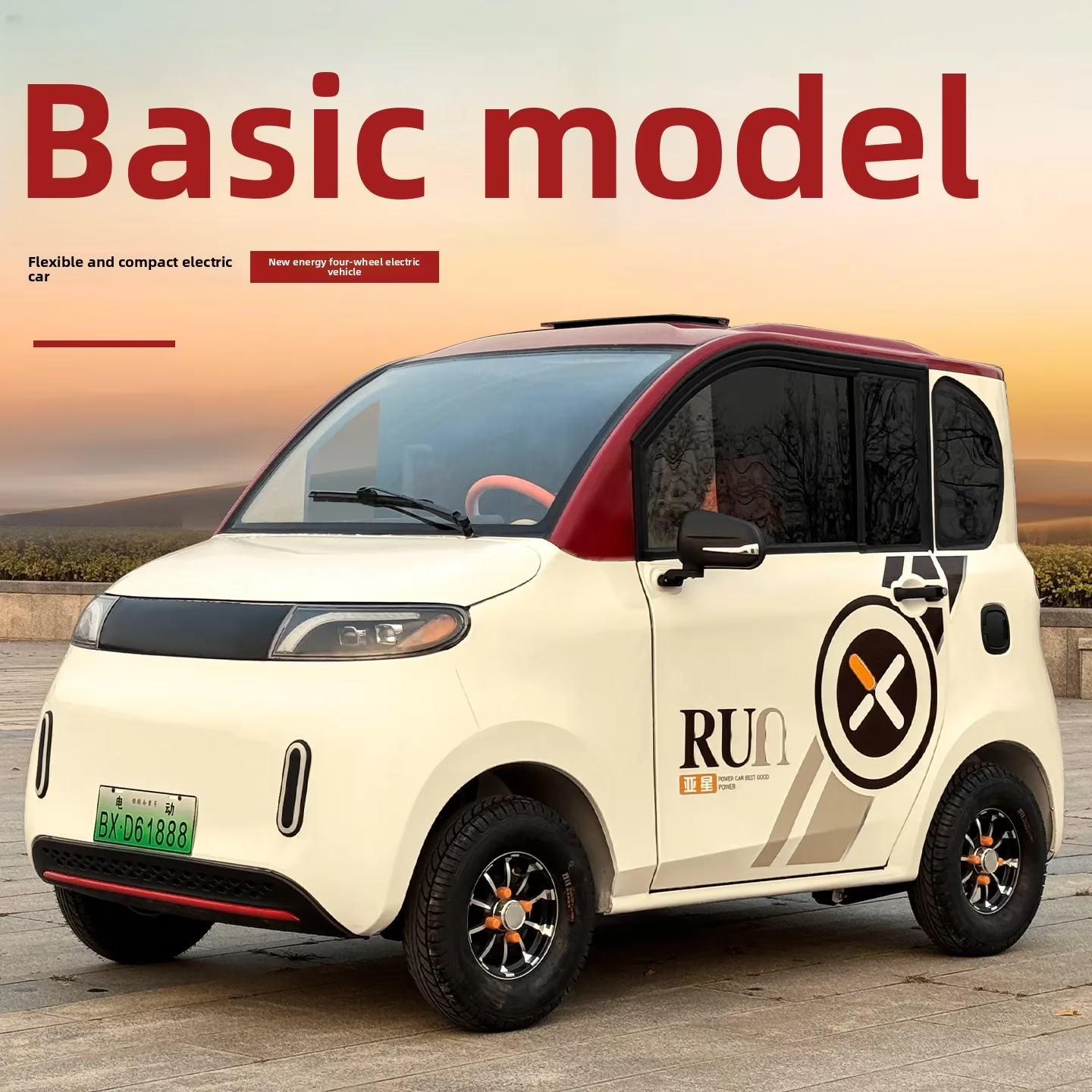
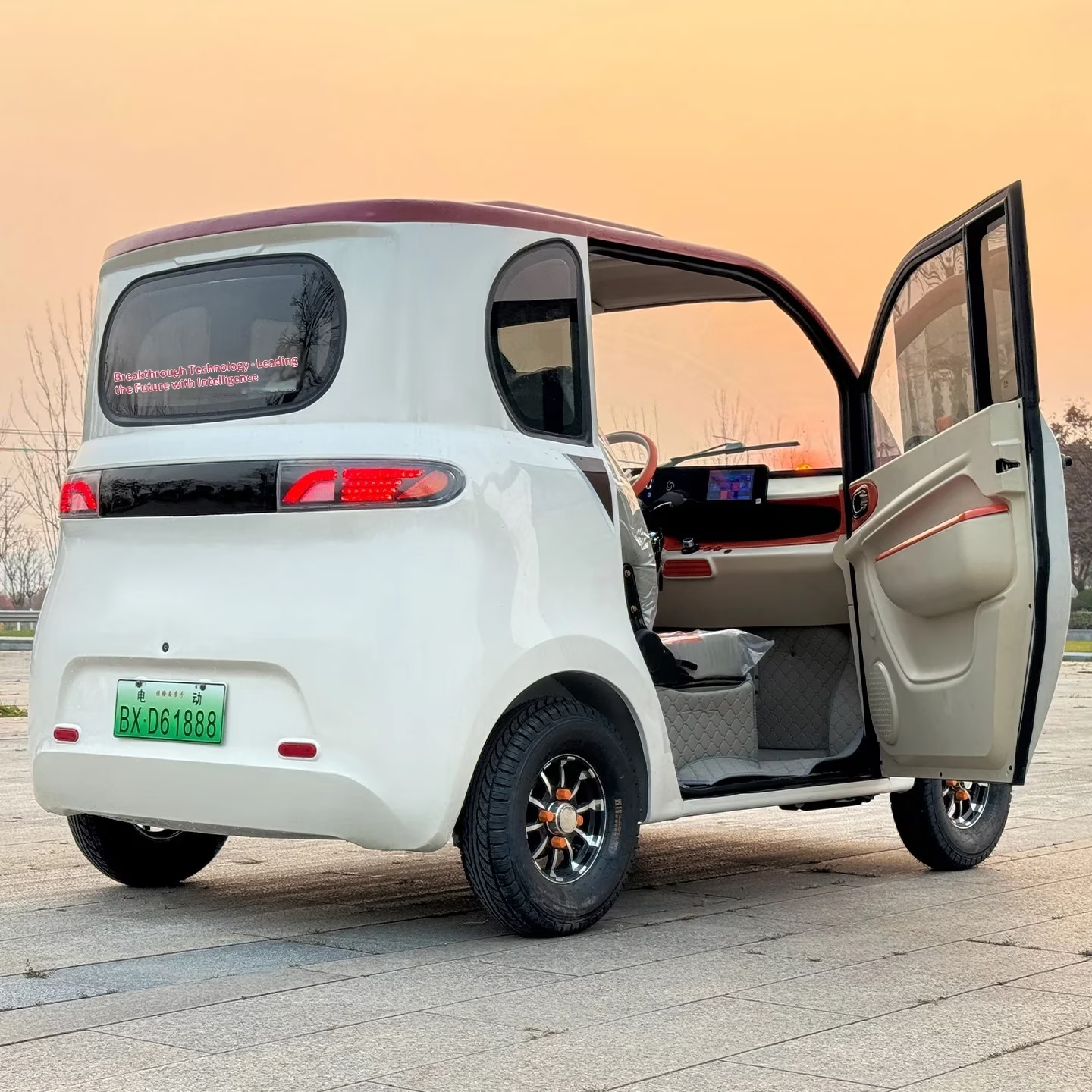
This model is the 60V air-conditioned version of the compact enclosed platform, with a heater as well as cooling. Below is what climate control actually costs in range, why 60V is the sensible ceiling for this body, and what to check before promising a customer a number.
What Air Conditioning Actually Costs
A compressor in a small enclosed cabin draws roughly 0.8–1.5 kW while running. On a vehicle with a 60V pack, that is a meaningful share of total draw — and unlike a cabin fan, it does not cycle off while the vehicle is stationary in traffic.
The practical effect on a warm day:
- 10–20% range loss with the air conditioning running continuously.
- More in stop-start traffic, where the compressor runs but the vehicle covers little distance.
- Less in dry, shaded or coastal climates, where the cabin does not heat-soak.
Two design details decide how bad it gets: whether the cabin is insulated, and whether the vehicle has a heater that shares the same power path. A well-insulated cabin holds temperature with the compressor cycling; a bare metal box runs it flat out.
The commercial rule: quote range with climate control on, not off. A buyer who discovers a 15% shortfall after delivery is a buyer who returns the container.
Why 60V, and Where It Stops
60V is the common system voltage for this class for a reason: controllers, chargers and DC-DC converters are widely stocked, and the current draw stays manageable for a compact body.
It also sets a ceiling. Two things get harder above 60V:
- Component sourcing. 72V and 96V parts are less universally available, which matters when a controller fails in a market without a dealer network.
- Service safety. Higher voltage demands more care from technicians, and in some markets triggers additional requirements.
For a compact four-wheeler used on urban routes, 60V with a well-matched motor is the right engineering choice. If you need sustained highway-adjacent speeds or long climbs, a higher-voltage platform is the correct answer — not a bigger motor on 60V.
Enclosed Body: Heat, Condensation and Ventilation
An enclosed cabin solves weather, and creates two new problems that buyers notice in the first week.
Condensation. A sealed cabin with passengers fogs in rain and cold. Confirm the vehicle has a demist function that runs off the main pack, not a separate 12V heater that drains a small auxiliary battery.
Heat soak. Glass area turns a parked cabin into an oven. Insulation, tinted glass and a solar-reflective roof make more difference to comfort than a larger compressor — and cost less energy in use.
Neither is visible on a specification sheet. Ask about both before you order a fleet, and check a sample vehicle if you can.
Specification
| Model | Urit 60V air-conditioned enclosed electric car, 2026 model |
|---|---|
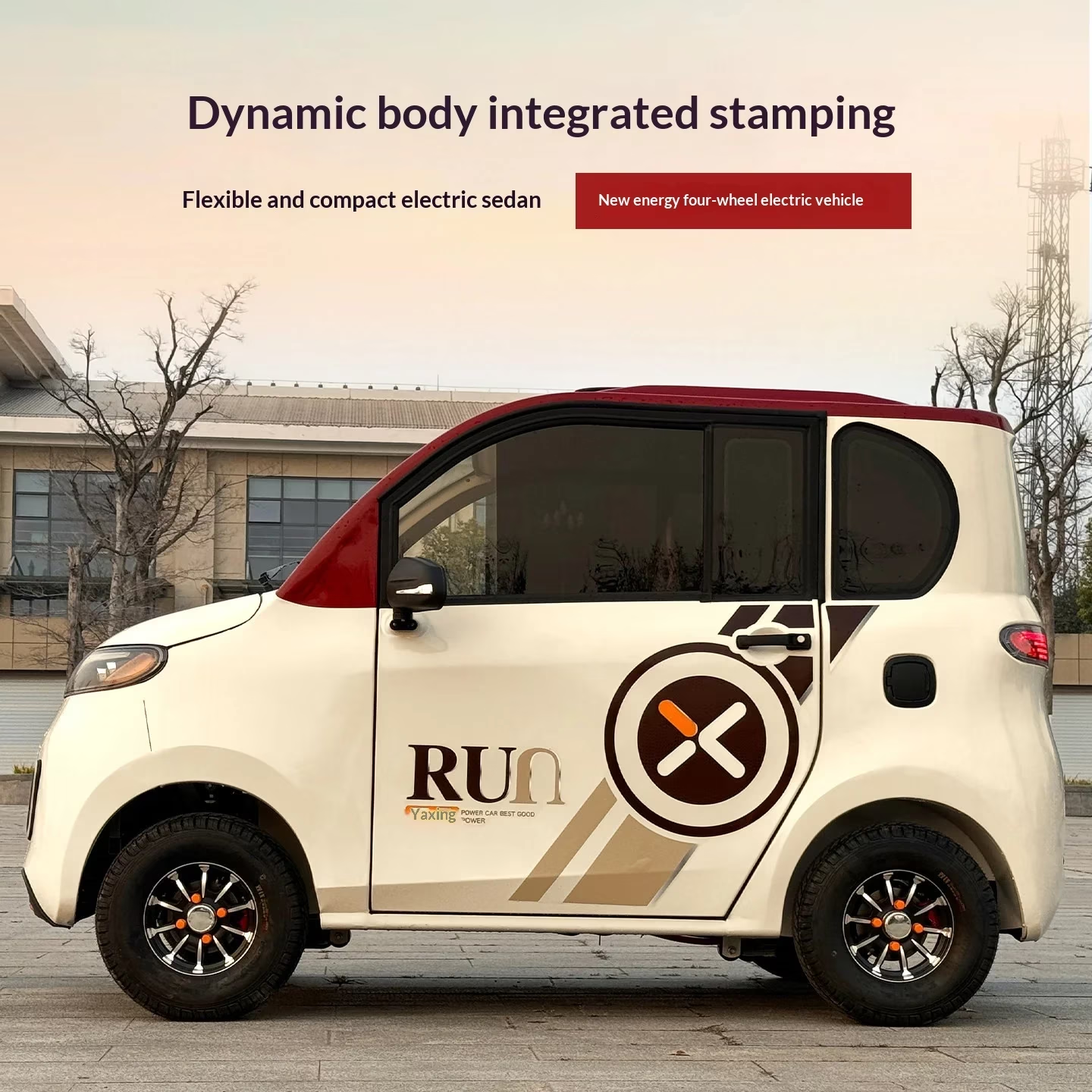
| Body | Fully enclosed, four-wheel, compact profile |
| System voltage | 60V |
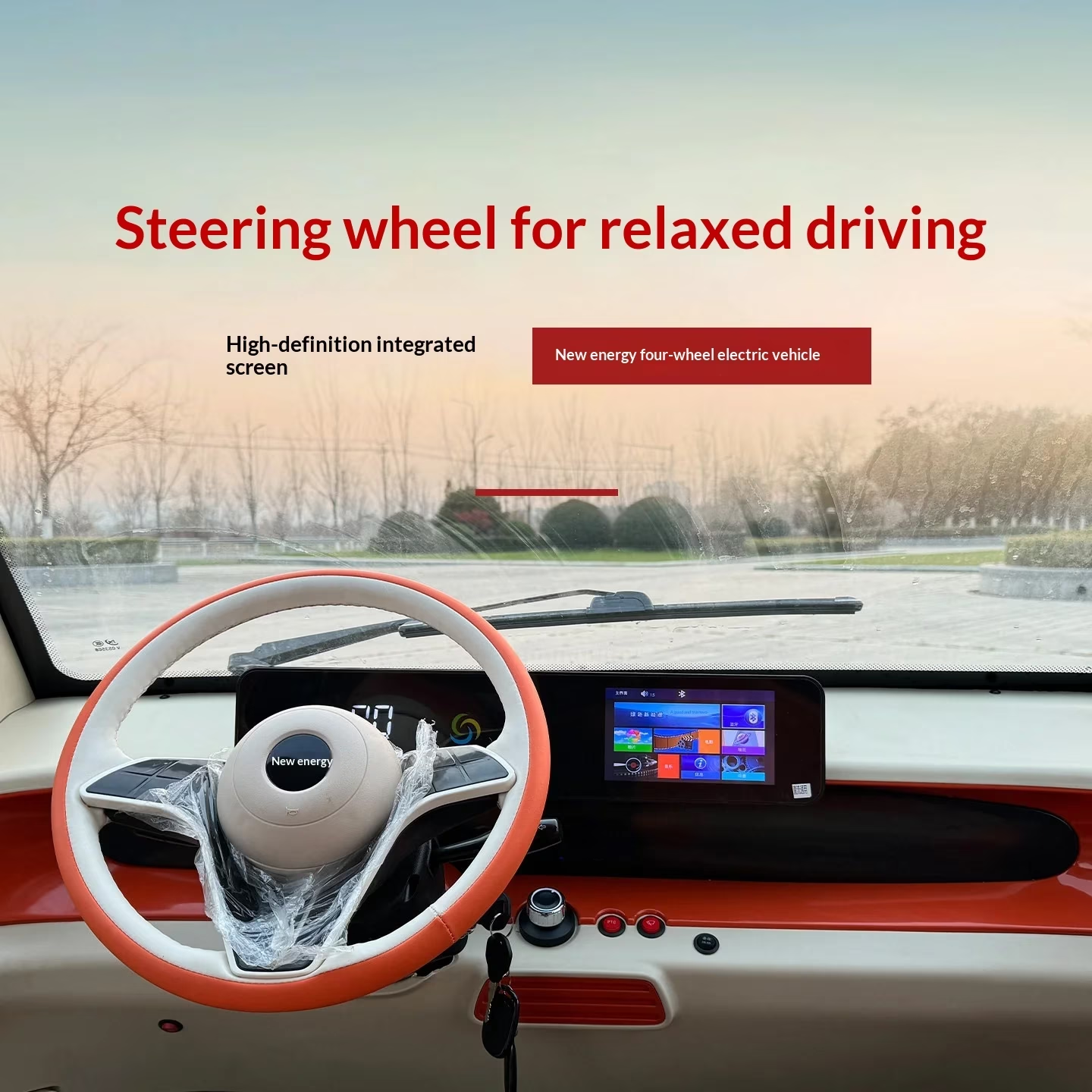
| Climate control | Air conditioning with heating function |
| Battery | Lead-acid or lithium, capacity confirmed per order |
| Typical motor | 3–5 kW for this body and voltage (class typical) |
| Typical range | 80–120 km without climate control; 10–20% less with it running (class typical) |
| Charge time | 6–8 h domestic socket (class typical) |
| Seats | 4 (confirm per trim) |
| Colours | Confirm per order |
| Certification | Ask which documents the factory can supply for your market |
| MOQ / Warranty | 1 unit / 12 months on motor, controller and battery |
Rows marked “class typical” describe this vehicle class rather than a fixed figure for every configuration. The quotation confirms the exact specification shipped.
Registration and Market Fit
An enclosed four-wheeler with climate control looks like a car and is treated like one by most authorities — which means the approval question is harder, not easier, than for an open vehicle.
- Category. Most markets place this in a quadricycle or low-speed category with an equipment list; some have no category at all.
- Equipment. Belts, lights, mirrors, wipers, a VIN plate and an approval mark are typical requirements — and are set at build, not retrofitted.
- Driver licensing. A quadricycle category usually needs a car licence; a low-speed category may need less. Confirm before you market it.
Where the path is unclear, sell first into private-property and campus use, and treat road registration as a separate project with a local partner.
Frequently Asked Questions
Does the air conditioning work while the vehicle is parked?
Only while the main contactor is on, on most builds. Leaving it running parked will flatten the pack quickly — confirm the low-voltage cut-off behaviour with the factory.
Can the range figure be quoted as-is?
No. Quote it with climate control running, and state the ambient temperature the figure assumes. Buyers compare your number with a competitor’s optimistic one and blame you when theirs does not match.
Lead-acid or lithium with air conditioning?
Lithium. A lead-acid pack under continuous compressor load has a shorter life, and the weight penalty works against range. Climate control is one of the cases where lithium pays for itself.
Is this suitable for a cold climate?
With a heater, yes — but budget for 25–35% range loss in winter, combining cabin heating with reduced battery capacity. In a cold market, specify the largest pack available.
Comparing platforms? The 201–300 km long-range model is the same body with a larger pack, and the white low-speed mini EV is the short-route alternative. The electric mini EV range lists all three. Tell us your climate, daily distance and destination market, and we will quote the pack and loading quantity as one landed cost — send your requirement here.